Access to Nutrition: Why Transparency and Healthy Diets Matter for the Future of Food
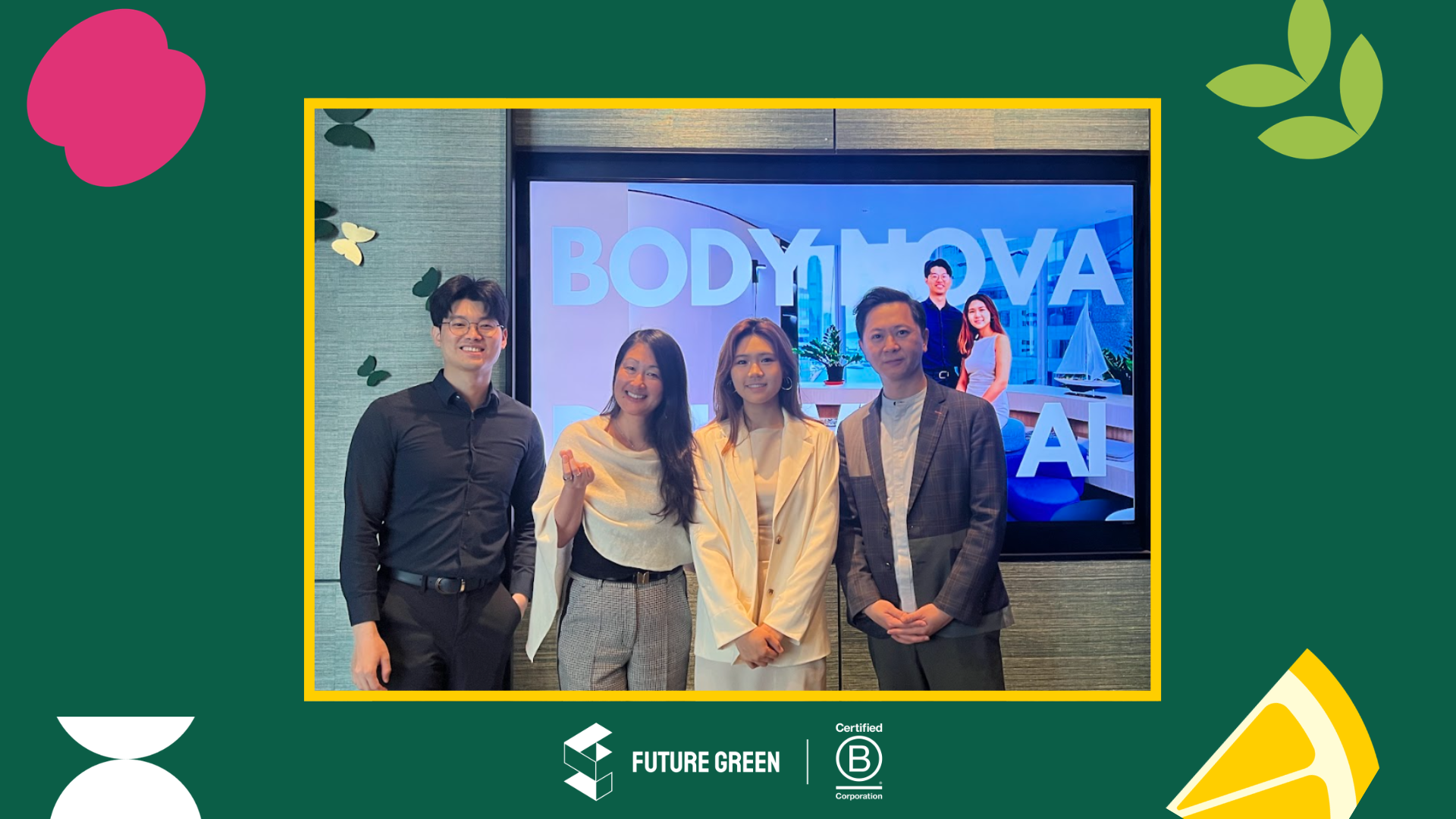
Our community coming together to make access to nutrition a food business priority.
Food sustainability conversations often focus on carbon emissions, food waste, and supply chains.
But another important question is emerging in the food system: Do people actually have access to healthy, nutritious food and the knowledge to choose it?
That was the focus of our March Future Green Members Monthly Meetup last week, hosted at FEAST, EAST Hotel — the vibrant restaurant space inside EAST Hong Kong that brings together food, community, and conversation.
Gathering at FEAST created the perfect setting for a discussion about the future of dining. Surrounded by chefs, hospitality professionals, and sustainability leaders, members explored how restaurants and food businesses can help make healthier choices easier to understand and access.
The session began with a big-picture look at what “access to nutrition” really means. According to the FAO definition, access to nutrition is not simply about food being available. It includes availability, affordability, and nutrition knowledge, ensuring that people can obtain and understand healthy food choices.
Even in cities like Hong Kong, where food is abundant, there can still be significant gaps in access to nutritious diets. From cost barriers to limited transparency around food composition, many consumers lack the information needed to make informed decisions about what they eat.
🥗Healthy Diets for People and the Planet
The discussion also explored how healthy and sustainable diets shape the future of food systems.
One framework highlighted was the Planetary Health Diet, developed by a global group of scientists (EAT LANCET). It encourages eating more vegetables, whole grains, legumes, and nuts, while reducing red meat and highly processed foods.
These dietary shifts benefit both human health and the environment, especially as the global food system contributes roughly a third of greenhouse gas emissions.
Participants also learned about Future 50 Foods, a list of nutritious ingredients that grow well in changing climates. Foods like lentils, seaweed, chickpeas, teff and quinoa help diversify diets while supporting more resilient agriculture.
Together, these ideas show that improving access to nutrition is not only a public health issue. It is also a key part of building a more sustainable food system.
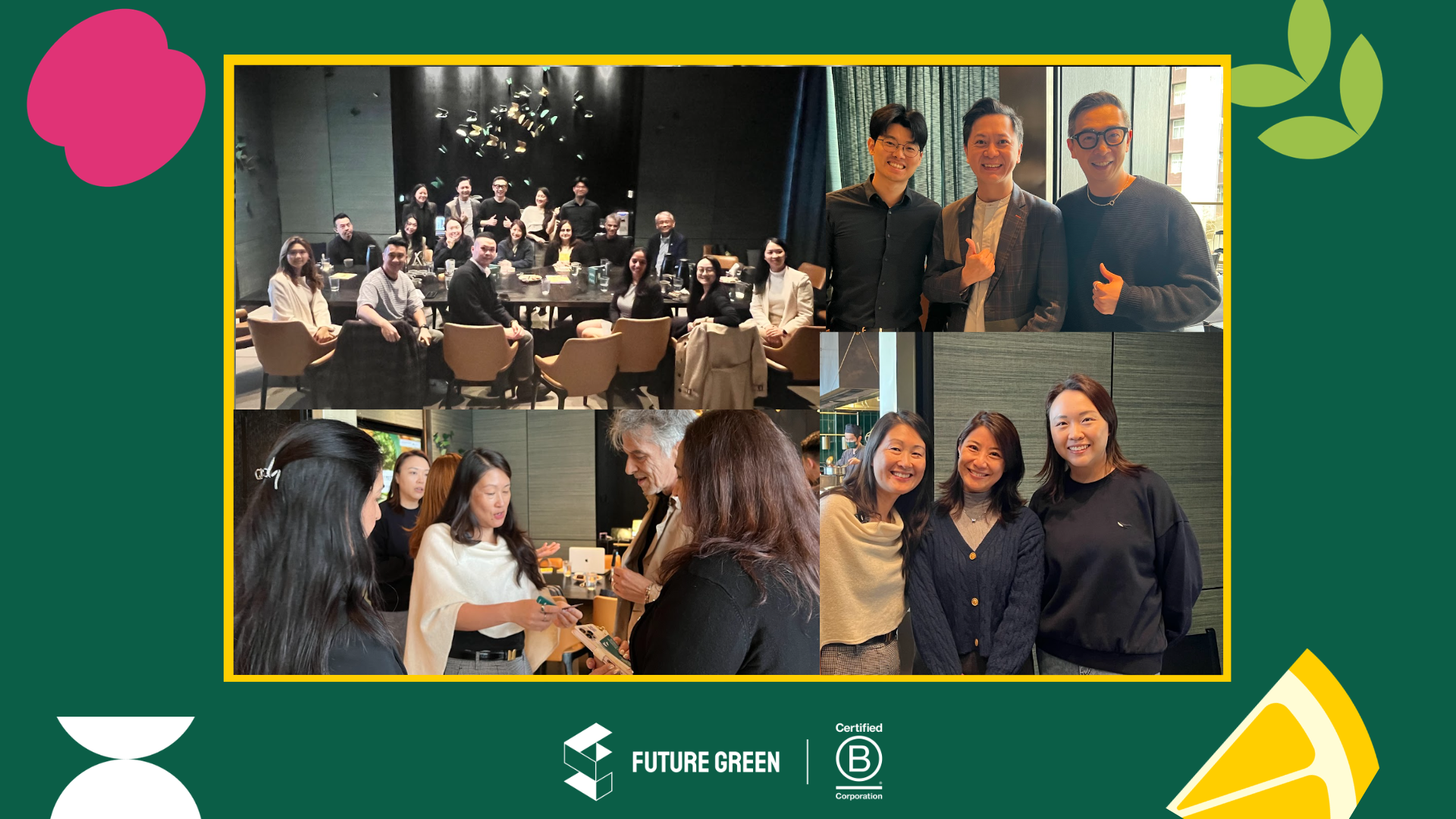
Conversations, connections, and new ideas on making nutrition more accessible.
🍽️Nutrition Transparency in Restaurants
Our meetup’s guest speaker, Jojo Kwok Ka Po, Co-founder of Body Nova and Dinewell AI, shared insights into how nutrition transparency could reshape dining experiences.
In Hong Kong, nutrition labelling is mandatory for packaged food products, but most restaurant dishes still do not provide this information.
Body Nova is working to bring nutrition labelling to restaurant menus, providing information such as calories and key macronutrients including carbohydrates, protein, fat, and dietary fibre.
Their work reflects a broader shift in consumer expectations.
Health-conscious diners are increasingly looking for restaurants that support their wellbeing, not just their taste preferences.
Through their platform Dinewell AI, diners can explore nutrition information across restaurant menus and filter dishes based on dietary preferences or allergens.
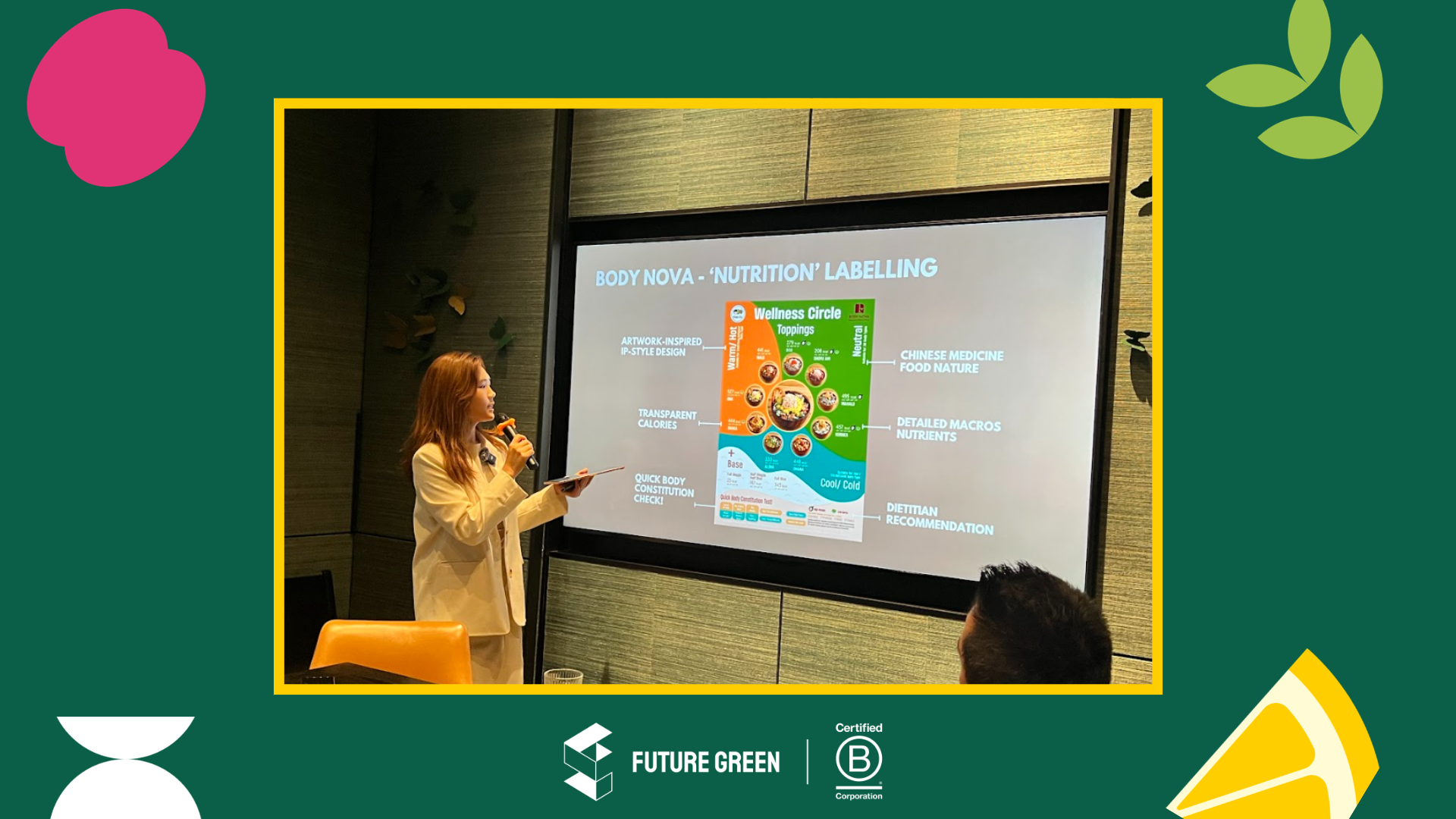
Jojo Kwok Ka Po, Co-founder of Body Nova, sharing insights on bringing nutrition transparency into real-world dining.
🔄 From Commodity to Performance Fuel
One of the most compelling ideas discussed during the session was how restaurants might rethink the way they position food.
Jojo suggested that many restaurants still treat food as a basic commodity — something comparable to fuel.
In other words, restaurants can shift their messaging from simply serving meals to offering food that supports performance, wellbeing, and mental clarity.
For example, a healthy lunch might not just be a salad. It could be positioned as the fuel that helps someone stay focused during an afternoon meeting.
This approach reflects a growing market of health-conscious diners who are willing to spend more on food that supports their lifestyle and wellbeing.
📊 The Role of Data in Changing Food Choices
During the Q&A session, participants explored how nutrition data might influence both diners and chefs.
Jojo shared that early insights from Body Nova’s work already show shifts in consumer behaviour.
Some chefs have also started adjusting recipes after seeing the nutritional breakdown of their dishes. In some cases, this has led to greater use of seasonal ingredients or healthier cooking methods.
Over time, tools like these could encourage a broader shift toward healthier restaurant menus without compromising flavour or creativity.
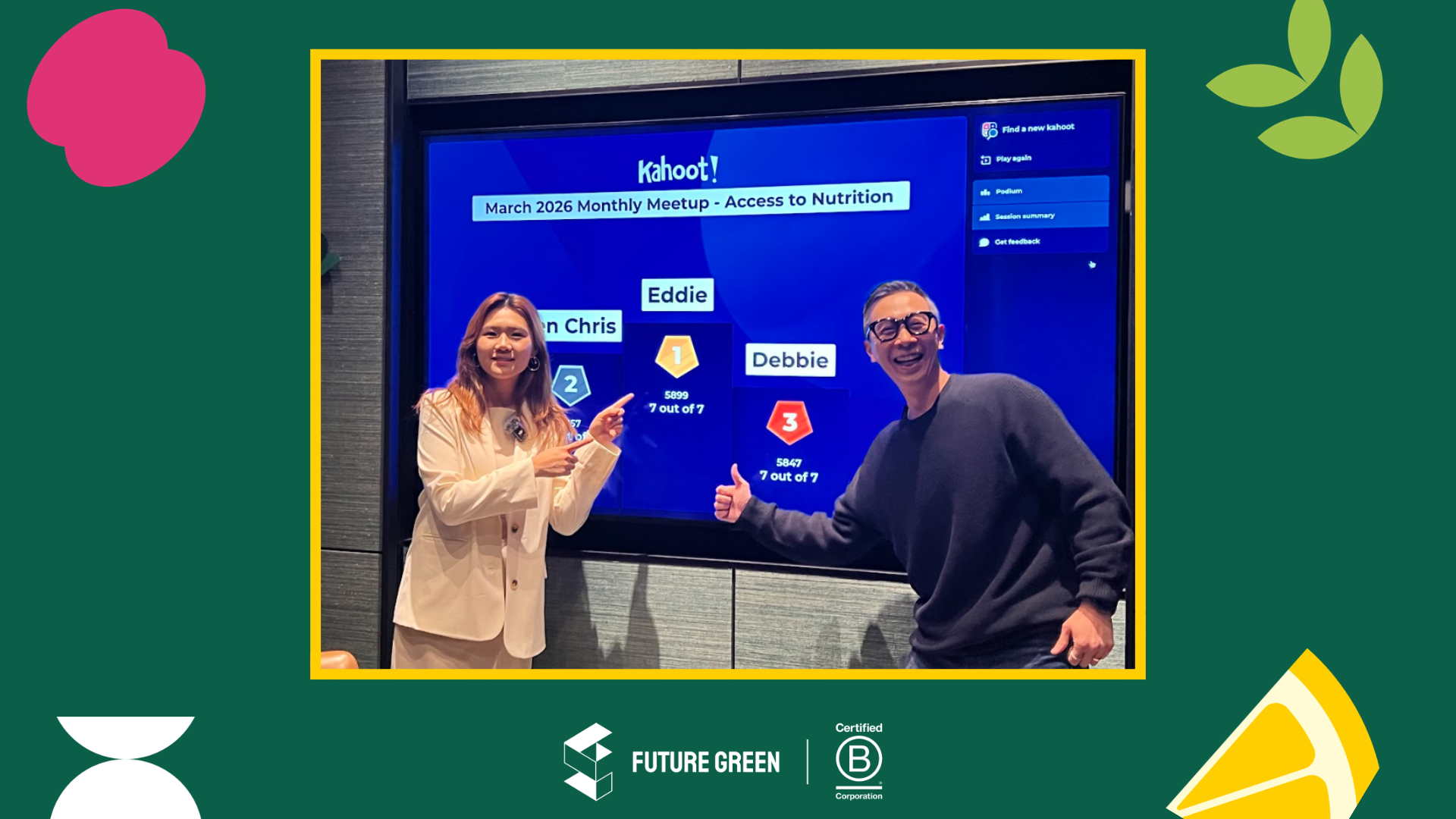
🎉 Kahoot Quiz: Learning Through Play
We wrapped up the session with a fun Kahoot quiz, covering topics like access to nutrition, the Planetary Health Diet, Future 50 Foods, and Jojo’s work on nutrition transparency.
Congratulations to Eddie Pang from EAST Hotel, who won the Nutrition Labelling Trial Service for six dishes, valued at HK$8,280.
💚 What’s Next?
If this conversation on Access to Nutrition resonated with you:
- Explore how nutrition labelling and transparency could enhance the dining experience and customer trust
• Connect with Body Nova to learn how their nutrition labelling and wellness consultancy can support your restaurant or hospitality business
👉 Join the Future Green Membership for practical tools, expert insights, and a community driving real change in food and hospitality
📅 Book a discovery call to explore how we can support your sustainability journey
Because sustainability is not only about the planet. It’s also about people’s health and wellbeing.
——————————————————————————————————–
How sustainable is your menu?
Are you curious about your food’s impact?

Continue the Conversation 💬
Conversations like these remind us that improving our food system requires collaboration between chefs, nutrition experts, businesses, and consumers. Access to nutrition is not just about individual choices. It is about creating environments where healthier options are visible, understandable, and accessible to everyone.
📍 See you next month in person at Tong Chong Kitchen, where our April Future Green Members Meetup will explore the next important topic: how to reduce greenhouse gas emissions in the food system. 🌍🌱

“Thanks for inviting me to the Future Green Meetup! I was impressed with the high level of engagement. Good Job on creating such a community!”
Amanda Cundiff
“We have just become a member of this community and the meet-ups are very well organised and we were able to drive awareness for our initiatives. Keep it up, Futuregreen!”
Jo Soo Tang
Founder of r é n Hong Kong
