How Youth Are Redesigning the Future of Sport at a Large Scale Golf Tournament

What happens when you give young people a seat at the table and a real-world system to redesign?
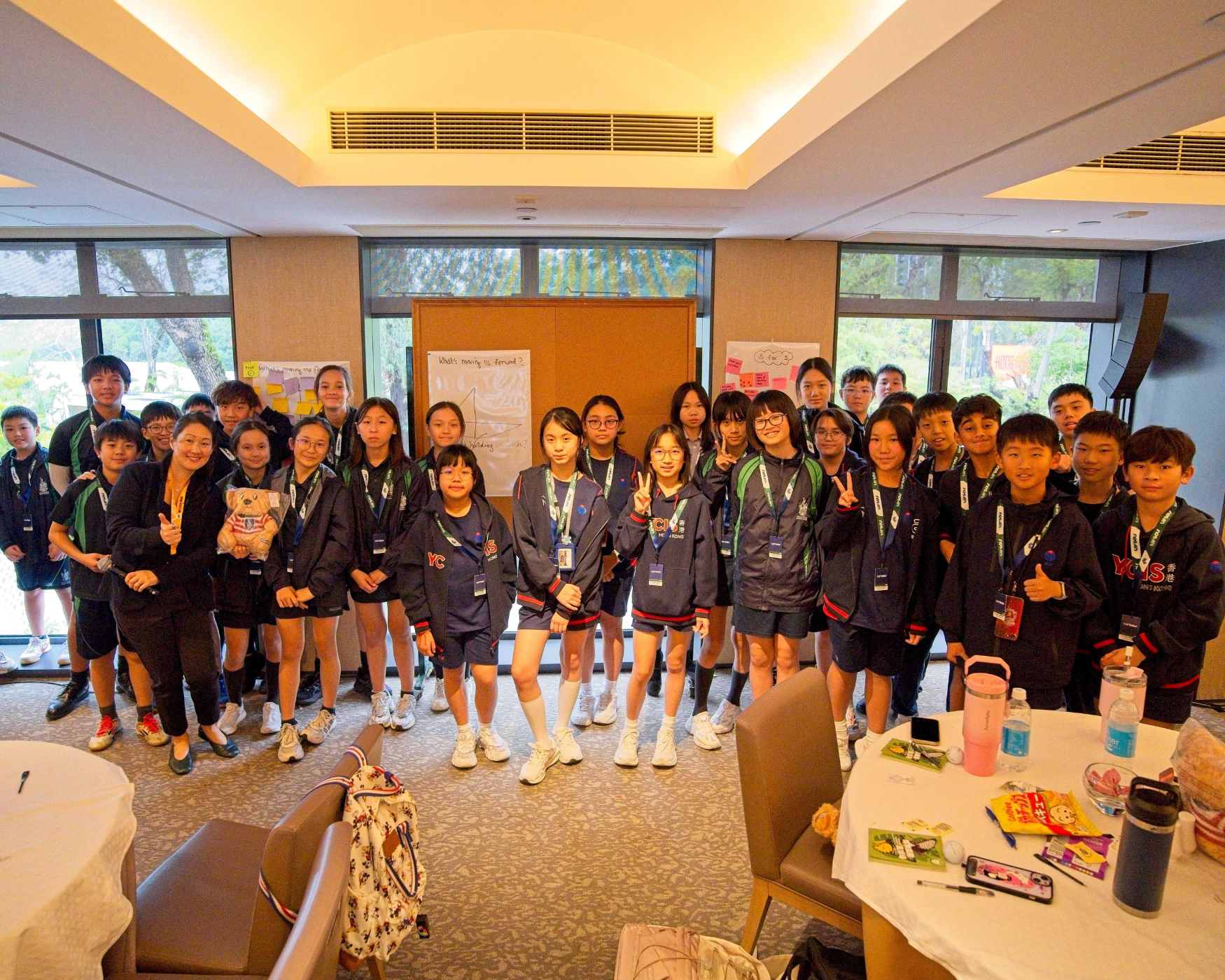
At LIV Golf Hong Kong 2026, Future Green transformed the tournament into a living classroom, hosting a Sustainability Systems Lab that challenged 30 students to rethink how major sporting events can operate more sustainably.
In just 75 minutes, over 50 ideas were generated, proving something we’ve always believed: The next generation isn’t waiting to be told what to do. They’re ready to design what comes next.
A Tournament as a “Mini City”
Rather than treating sustainability as a checklist, the workshop reframed the entire event as an interconnected system. It became a “mini city” powered by food, water, energy, transport and waste.
The central question was simple but powerful: How might we design a tournament that is exciting for fans and athletes and better for the planet?
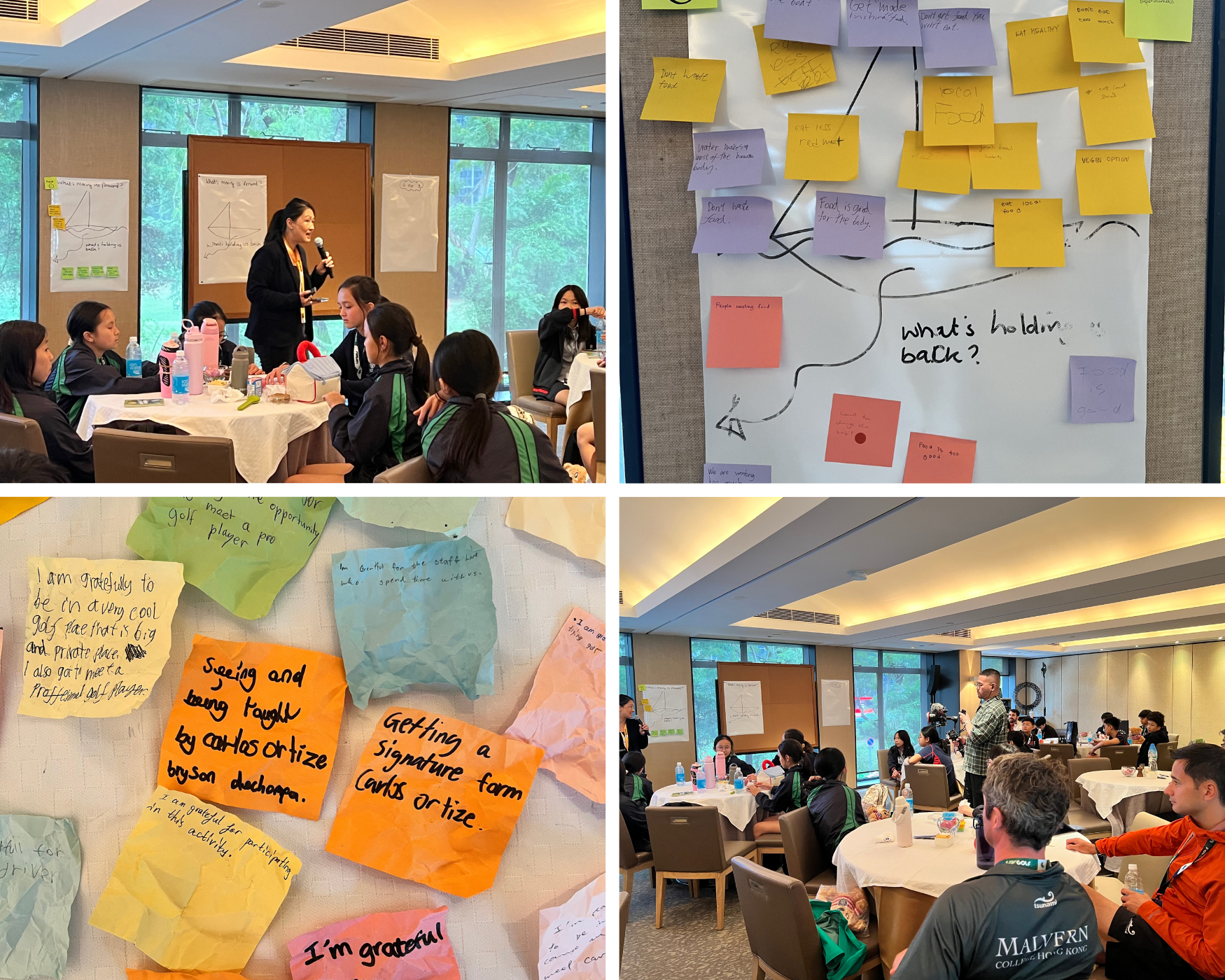
From there, students mapped out what is working and what is not.
They recognised progress such as EV buggies, refill stations, and recycling infrastructure.
But they also identified the real blockers. Cheap plastic, expensive healthy food, and most importantly, human behaviour.
Because the challenge is not always infrastructure. It is adoption.
From Ideas to Action
What stood out was not just the volume of ideas. It was their clarity and practicality.
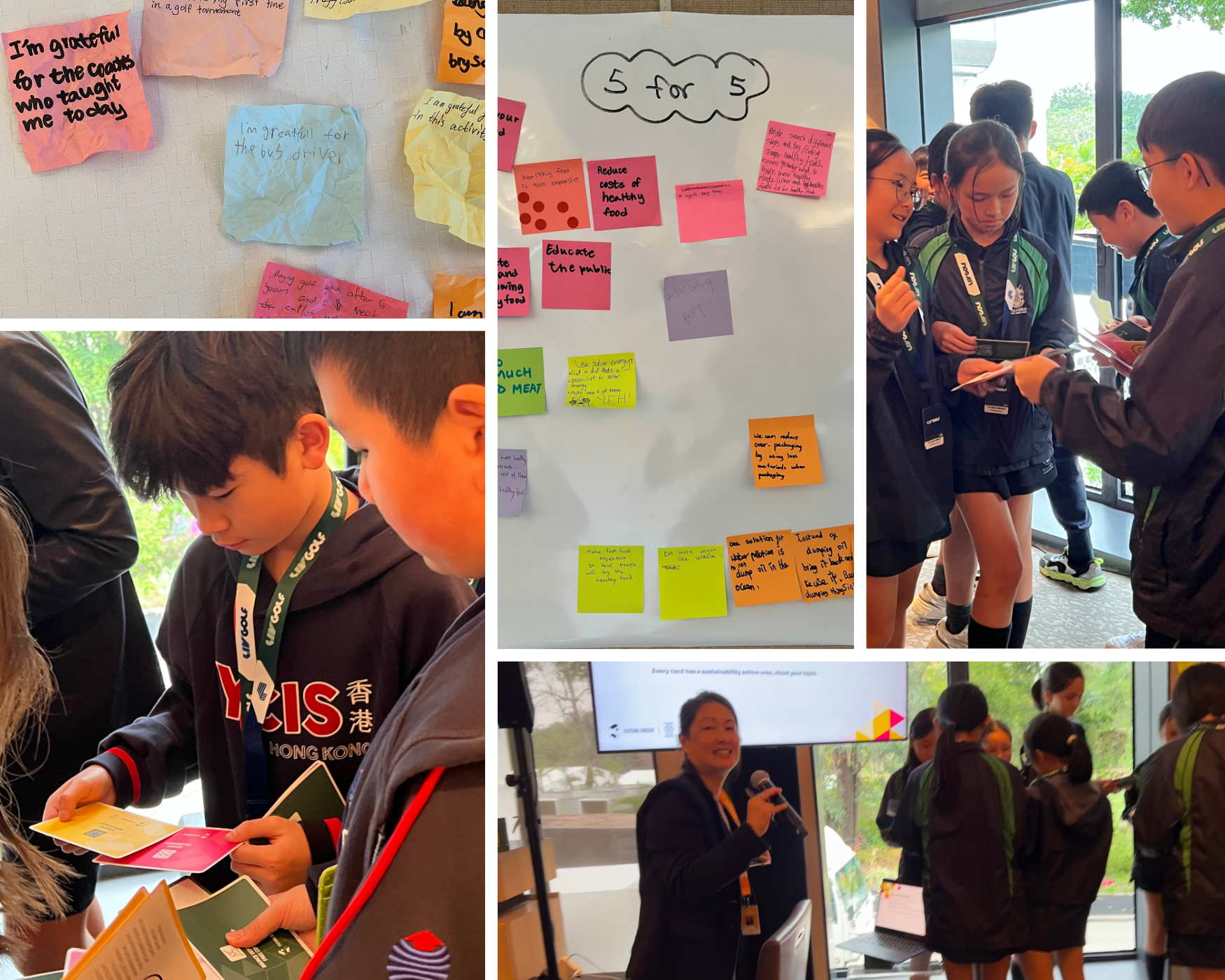
Five priority solutions emerged:
- Make sustainable food affordable — If plant-based options cost more, behaviour will not shift
- Eliminate single-use packaging at the source — Do not manage waste, design it out
- Invest in visible renewable energy — Make sustainability something people can see and trust
- Close the loop on waste — From oil recovery to composting, nothing should be thrown away
- Design for behaviour change — Systems must be intuitive, not optional
These are not abstract concepts. They are operational strategies for future-proofing global events.
The Power of Participation
Beyond the insights, something else became clear.
When people are invited into the process, they care more about the outcome.
Students described the experience as both educational and empowering. From engaging with professional athletes to contributing ideas that could influence real decisions, the impact was deeply human.
And that matters.
Because sustainability is not just a technical challenge. It is a cultural one too.
A Blueprint for the Future of Events
What this Systems Lab demonstrated is simple: Sustainability does not limit experience. It enhances it.
When designed well, it improves operations, strengthens brand value, and builds deeper connections with audiences.
For LIV Golf, this is more than a one-off activation. It is a scalable model that can be embedded across tournaments globally.
And for the industry, it is a signal.
The future of events will be participatory, systems-driven, and sustainability-led.
And it is already happening.
Ready to Turn Insight Into Action?
At Future Green, we help organisations move beyond ideas into real, measurable change, from sustainable food strategy to large-scale event design.
🌿 Looking to redesign your event, brand, or food system? Book a Sustainability or Strategy Workshop with us today.
Let’s build the future together.
