Why Plant-Forward Dining Is the Future of Food
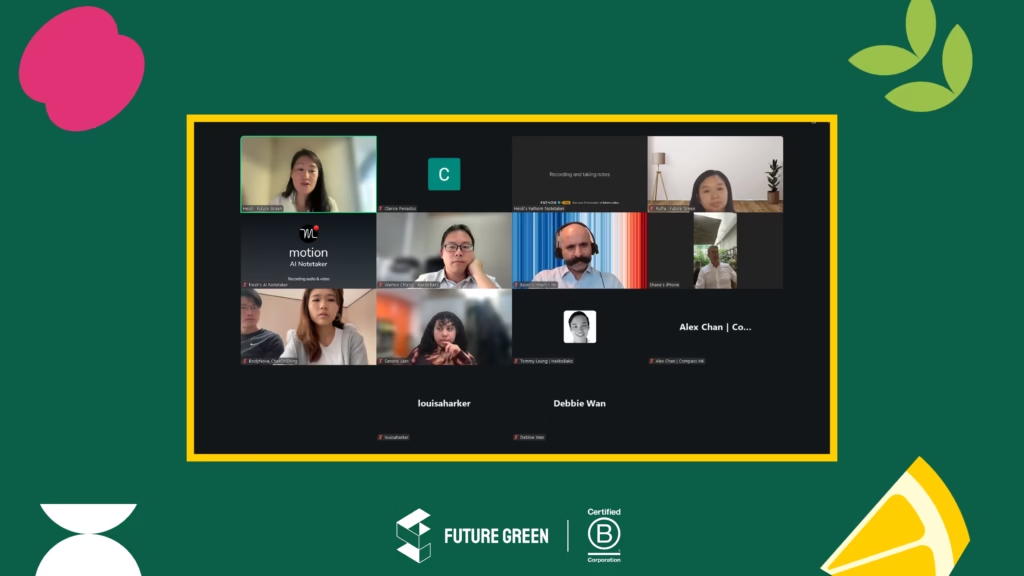
Our global community coming together to make plant-forward dining the future of food.
Our January Monthly Meetup kicked off the year with an honest, inspiring and deeply practical conversation on plant-forward food systems, featuring celebrated chef Shane Osborn of Arcane and Servo.
With participants dialing in from Hong Kong, the UK, Canada and beyond, the session reminded us that food system challenges, from climate change to biodiversity loss, are global, interconnected and urgently human.
At the heart of the discussion was one big question: How do we make sustainable food the default, not the exception?
FROM FINE DINING TO FOOD SYSTEM CHANGE
Shane’s journey spans Michelin-starred kitchens, global television (Netflix’s The Final Table), and over a decade of running Arcane in Hong Kong. What stood out most was his belief that chefs have a responsibility beyond the plate.
— Shane Osborn
Rather than preaching, Shane shared how change happens quietly and consistently, through menu design, staff culture and leading with flavor.
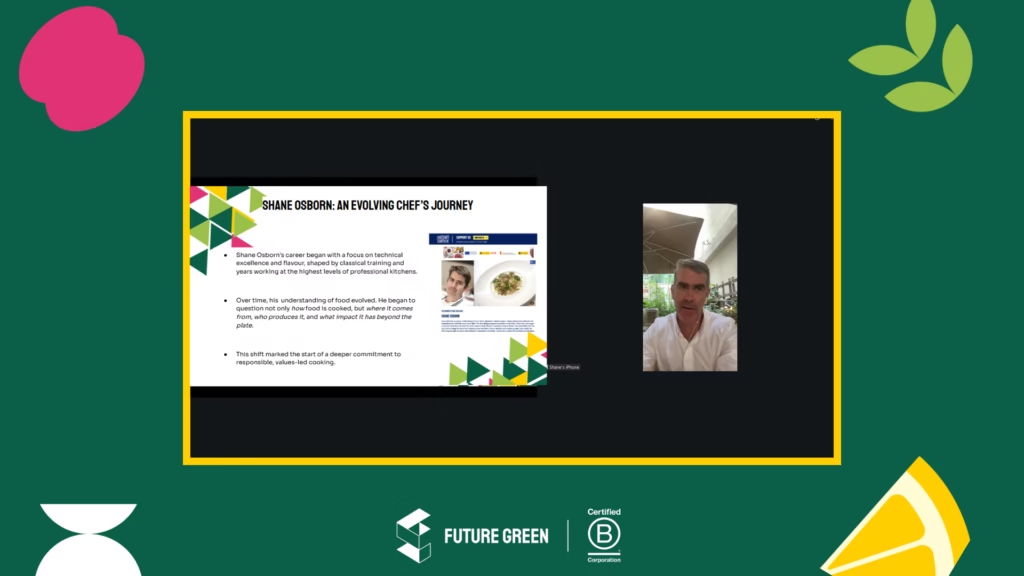
Chef Shane sharing his journey from fine dining to shaping a more plant-forward food system.
PLANT-FORWARD IS ABOUT CREATIVITY, NOT RESTRICTION
One of the strongest takeaways from the session was that plant-forward dining does not mean eliminating meat entirely. It means rethinking balance, value and portion size.
At Arcane, plant-based dishes are not hidden on a separate menu. They sit side by side with meat and seafood, given equal care, storytelling and intention.
This approach normalises plant-forward choices without judgement.
CHANGING BEHAVIOR STARTS IN THE KITCHEN
Shane was refreshingly honest about how difficult behavior change can be, not just for customers but also for kitchen teams.
From introducing vegetarian staff meals to swapping white rice for buckwheat, red rice and other diverse grains, change started internally.
The same philosophy applies to diners. One of Shane’s most effective strategies is serving a plant-based dish without announcing it, and revealing it only after guests rave about the flavor.
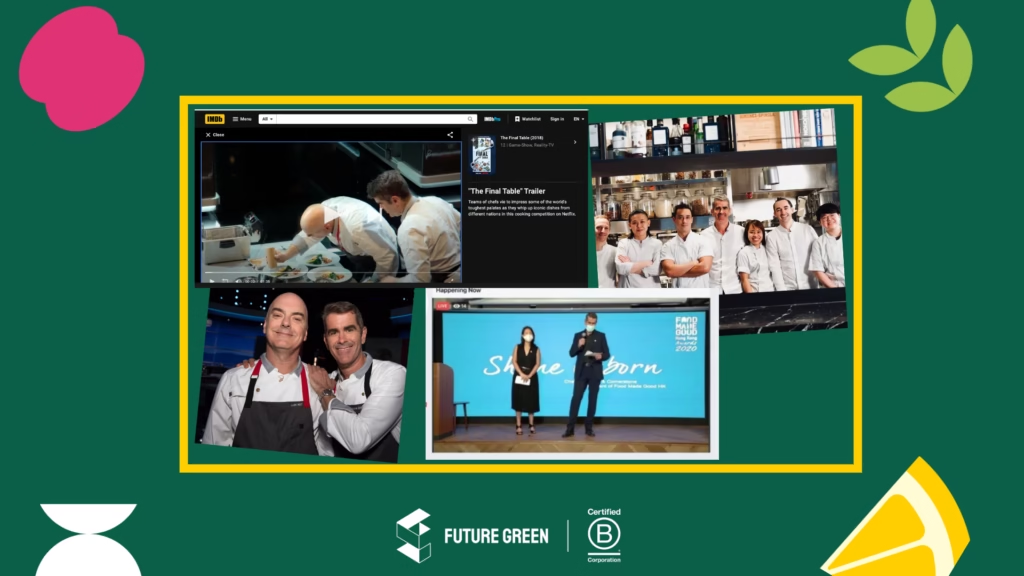
From Netflix’s The Final Table to rethinking how we eat.
KEY TAKEAWAYS FROM THE JANUARY MEETUP
- Plant-forward is a design choice, not a diet label
When plant-based dishes are treated with the same creativity and care as meat dishes, customers are far more willing to choose them. - Behavior change works best when it is gradual
Small shifts, like staff meals, grain swaps or surprise plant-based courses, build acceptance without resistance. - Chefs influence more than menus
Kitchen culture, sourcing decisions and portion sizes all shape how sustainability shows up on the plate. - Sustainability is about future-proofing
Climate change, biodiversity loss and supply chain disruption make plant-forward eating a resilience strategy, not a trend. - Taste always comes first
Education only works when flavour leads. Delicious food opens minds faster than facts.
WHY THIS CONVERSATION MATTERS NOW
The discussion also zoomed out to the bigger picture, including climate change, biodiversity loss and supply chain disruption.
From warming oceans affecting fish stocks to the rising cost of food globally, Shane made it clear that chefs and food businesses cannot ignore what’s coming.
Plant-forward eating, biodiversity-rich ingredients and reduced reliance on animal protein are not trends. They are long-term resilience strategies.
A COMMUNITY THAT LEARNS TOGETHER
What made this meetup especially powerful was the openness of the conversation. Participants asked about pricing plant-based menus, educating customers without alienation, nutrition, masculinity and meat consumption, and how to lead change in premium dining environments.
There were no perfect answers, just lived experience, honesty and shared learning.
And that is exactly what our Monthly Meetups are about.
Our Quiz Winner, Basel Kirmani
🎉 QUIZ WINNER: CONGRATULATIONS, BASEL!
To wrap up the session, we tested everyone’s listening skills with a lively quiz covering Shane’s journey, plant-forward food systems and January insights.
A huge congratulations to Basel Kirmani, who took the top spot and won a three-course lunch for two at Arcane, generously offered by Shane himself.
Thank you to everyone who joined in and made it one of our most interactive meetups yet.
💭FAQS FROM THE SESSION
Q: : Will customers actually pay for plant-based dishes?
A: Yes — if they’re done well. Poorly thought-out vegetarian dishes damage perception. When creativity, technique, and premium produce are applied equally, diners see (and pay for) the value.
Q: How do you educate diners without lecturing them?
A: You don’t. You surprise them. Send a plant-based course without labelling it, let the food speak, and explain after. Curiosity works better than preaching.
Q: Is plant-forward realistic in a high-end or Asian dining context?
A: Absolutely — but it must respect culture. Vegetables don’t need to replace meat; they need to be celebrated. Equal menu placement, strong storytelling, and staff buy-in make all the difference.

JOIN THE CONVERSATION
 Join the Future Green Membership for practical tools, expert insights, and a community driving real change
 Book a discovery call to explore how we can support your sustainability journey
How sustainable is your menu?
Are you curious about your food’s impact?