Why TABLE Doesn’t Treat Seafood Like Everyone Else
On the latest episode of Future Bites, Sandy Keung — chef-owner of TABLE and a proud Future Green Member shared the deeply personal, unexpectedly scientific, and quietly radical story behind her approach to seafood, sustainability, and hospitality.
 Listen and watch our full podcast interview here

Chef Sandy Keung in conversation with Heidi, sharing the thinking behind TABLE’s sustainable approach to seafood.
A Career Change Built on Intention
Long before she stepped into a professional kitchen, Sandy was working in finance, developing an understanding of how complex systems function behind the scenes. That way of thinking would later shape her approach to food not only how it tastes, but how it is sourced, handled, and experienced from start to finish.
Her move from finance into food was never impulsive. Cooking began as a personal practice, a way to eat more consciously, host friends, and explore the connection between food and health. Over time, that curiosity led to a deeper question about sustainability and longevity in both work and life.
Before committing fully, Sandy paused to ask herself something many aspiring chefs overlook: “If I turn a hobby into a job, will I still enjoy it?”
That question shaped her entry into the industry and continues to define TABLE today. Rather than chasing scale, trends, or spectacle, Sandy has built a restaurant designed to endure one that prioritises systems, process, and people alongside creativity.
Why Seafood Became the Focus
Seafood was never a branding choice. It was the result of understanding how fragile aquatic systems really are.
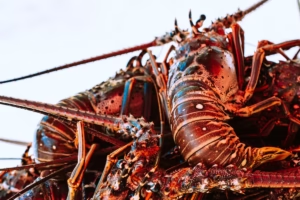
A closer look at live seafood highlights the fragility of aquatic systems and the responsibility behind every sourcing decision. Image source: Table
Through her background knowledge in fish-farming technology, Sandy gained insight into the hidden realities of seafood production: the accumulation of waste, the importance of water quality, and the stress animals experience as they move through global supply chains. Those lessons carried into the kitchen, where she began asking how restaurants could do better not just in sourcing, but in handling seafood right up until it’s cooked.
That question led her to depuration, a process she describes simply as
The Invisible Work Behind Cleaner Seafood
At TABLE, live shellfish are given time in carefully controlled, ozone-treated water before cooking. This allows them to naturally purge pollutants and metabolic waste — a scientifically established process that improves food safety, flavour, and shelf life.
While depuration is rarely visible to diners, its effects are tangible. Cleaner shellfish are not only safer to eat, but also more stable, longer-lasting, and less likely to be discarded. Over time, Sandy noticed that some guests who believed they had shellfish allergies were able to eat comfortably at TABLE.
As she explains,
In a city that imports nearly all its seafood, this kind of intervention quietly raises the standard for how seafood is treated, reducing waste and increasing trust in the food system.
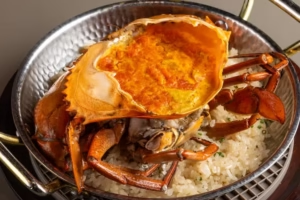
Thoughtful handling and ethical choices come together on the plate, where care translates directly into flavour and quality. Image source: Table
Ethics That Extend Beyond the Plate
Sustainability at TABLE is not limited to where seafood comes from. It also considers what animals experience at the end of their journey.
Shellfish transported dry and stored without water experience significant stress, which affects both welfare and quality. By reintroducing them to water, their natural environment, TABLE allows them to recover, stabilise, and function as they would in the wild.
Healthier animals lead to better food, and better food encourages more respectful consumption. It’s a cycle that benefits diners, producers, and the environment without needing to be advertised on the menu.
Choosing What Others Overlook
Rather than relying on globally popular species, Sandy actively works with local fishermen and producers, choosing seafood that is abundant, seasonal, and often overlooked by commercial markets.
Smaller fish, off-cuts, and non-mainstream species demand more skill and labour in the kitchen, but they reduce pressure on overfished stocks and create menus that feel genuinely distinctive.
Over time, this approach has helped expand diners’ palates while supporting local livelihoods and reducing reliance on mass-produced seafood.
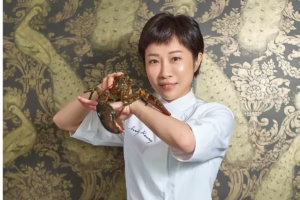
Chef Sandy Keung brings balance, seasonality and cultural wisdom into every aspect of TABLE’s approach to sustainability. Image source: Table
Sustainability Through a Cultural Lens
One of Sandy’s most distinctive contributions is how she frames sustainability through Traditional Chinese Medicine. Instead of presenting it as restriction or sacrifice, she connects it to ideas of balance, seasonality, and harmony with one’s environment.
Menus shift with the seasons, vegetables are integrated thoughtfully through soups and supporting dishes, and diners are encouraged gently to eat with greater awareness of time, place, and diversity. Sustainability becomes something lived and experienced, rather than explained.
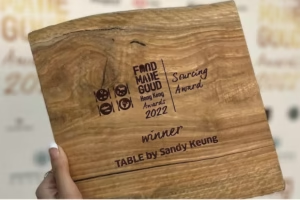
TABLE won the Sourcing Award at our Food Made Good Awards back in 2022!
From Recognition to Meaning
Like many chefs, Sandy once measured success through praise. Over time, that motivation evolved.
Now, satisfaction comes from quieter moments when conversations pause, plates are emptied, and guests linger.
In those moments, the impact of her choices becomes clear. Cleaner seafood, reduced waste, stronger local supply chains, and more thoughtful eating habits all come together not as a statement, but as an experience.
🍽️ Visit TABLE
To experience seafood that’s been treated with care, integrity, and intention — from water tank to plate:
👉 Visit Chef Sandy at TABLE
Book a table and discover what sustainable seafood can truly taste like.
Join the membership programme to learn more about restaurants and service providers in our network.
